
Protein bars have become one of the most popular “healthy” snacks in India. From gym bags to office drawers, they’re often seen as the easiest way to boost protein intake during a busy day. With claims like “high protein,” “low sugar,” and “energy boosting,” protein bars are frequently positioned as a smarter alternative to traditional snacks.
But as more people start reading labels and understanding ingredients, an important question comes up: Are protein bars the healthiest snack option available?
Many protein bars rely on protein isolates, syrups, sweeteners, stabilizers, and preservatives to achieve their texture and long shelf life. While they can be convenient, they’re also highly formulated products. For those trying to eat cleaner or choose more natural foods, this has led to growing interest in simpler, whole-food alternatives.
The good news is that India offers plenty of healthy snack options that provide protein, energy, and satiety—without heavy processing. From nuts and seeds to traditional snacks and easy homemade combinations, there are several nutritious choices that can fit seamlessly into a busy lifestyle.
In this article, we’ll explore the best healthy snack alternatives to protein bars in India, comparing their nutrition, convenience, and overall health benefits—so you can make smarter snacking decisions every day.
Why People Are Replacing Protein Bars
Protein bars are still popular, but many people in India are starting to reconsider them as a daily snack. As nutrition awareness grows, consumers are looking beyond bold claims like “20g protein” and paying closer attention to what’s actually inside the wrapper.
One major reason is ingredient concerns. When people read the back of the pack, they often see long lists that include protein isolates, artificial flavors, emulsifiers, stabilizers, and preservatives. While these ingredients are commonly used in packaged foods, not everyone feels comfortable consuming them regularly—especially when trying to eat “clean.”
Another factor is hidden sugars and sweetening agents. Even bars labeled as “low sugar” may contain glucose syrup, brown rice syrup, sugar alcohols, or artificial sweeteners. These ingredients can affect energy levels and, in some cases, cause digestive discomfort. Over time, consumers are becoming more cautious about how these sweeteners fit into their overall diet.
The cost factor also plays a role. With many protein bars priced between ₹100 and ₹250, making them a daily habit can be expensive compared to alternatives like peanuts, eggs, or curd.
Finally, there’s a growing preference for minimally processed foods. Many people now prefer snacks made from simple, recognizable ingredients rather than highly formulated products. This shift in mindset is driving interest in healthier, whole-food alternatives.
What Makes a Snack Truly “Healthy”?
With so many products marketed as “healthy,” it’s important to define what that actually means. A truly healthy snack isn’t just about high protein or low calories—it’s about overall nutritional quality and balance.
First, a healthy snack should provide a good amount of protein. Protein helps support muscle repair, keeps you full for longer, and reduces the urge to overeat later. Depending on your needs, a snack with 8–15 grams of protein can be a reasonable target.
Second, it should contain minimal added sugar. While some natural sweetness is fine, excessive added sugars or concentrated syrups can lead to energy crashes and unnecessary calorie intake. Checking ingredient labels helps identify hidden sweeteners.
Third, prioritizing whole-food ingredients makes a difference. Snacks made from nuts, seeds, dairy, or minimally processed foods tend to offer more nutrients compared to highly refined products with long ingredient lists.
A healthy snack should also have balanced macros—a combination of protein, fiber, and healthy fats. This balance helps with satiety and provides steady energy rather than quick spikes.
Finally, it should be easy to carry and portion-controlled. Convenience matters, especially for busy lifestyles. A snack that’s practical and appropriately sized makes healthy choices easier to maintain consistently.
5 Best Healthy Snack Alternatives for Protein Bars in India
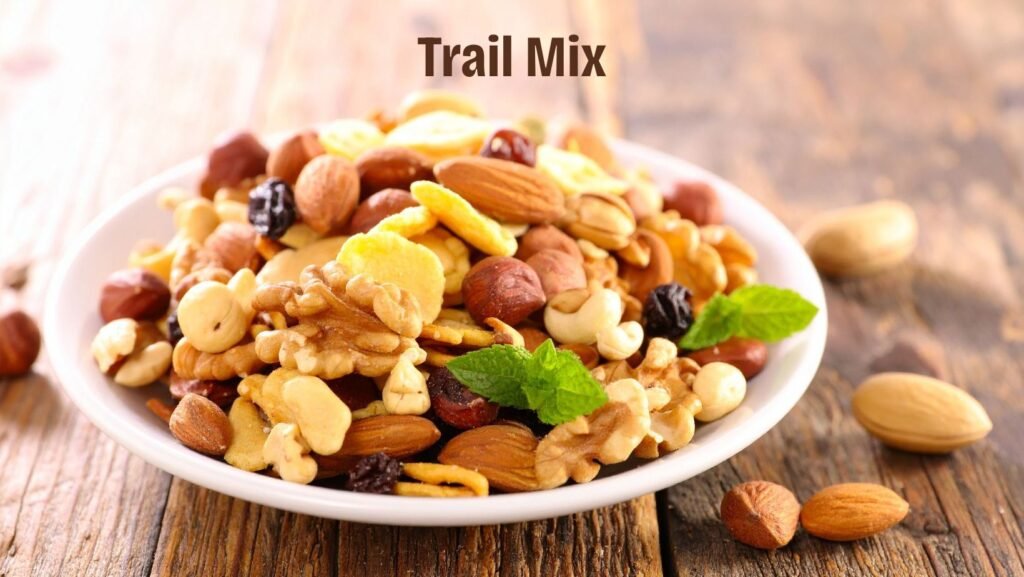
1. Trail Mix (Seeds & Nuts Mix)
A simple trail mix made from nuts and seeds is one of the easiest whole-food alternatives to protein bars. Almonds, peanuts, pumpkin seeds, sunflower seeds, and a small portion of raisins or dark chocolate can create a balanced snack.
Trail mix provides:
- Natural plant protein
- Healthy fats
- Fiber
- Micronutrients like magnesium and zinc
Because it contains both protein and fats, it helps with satiety and steady energy release. Unlike many protein bars, a homemade trail mix has no syrups, emulsifiers, or preservatives.
The key is portion control—a small handful (25–30g) is usually enough.
2. Protein Laddu
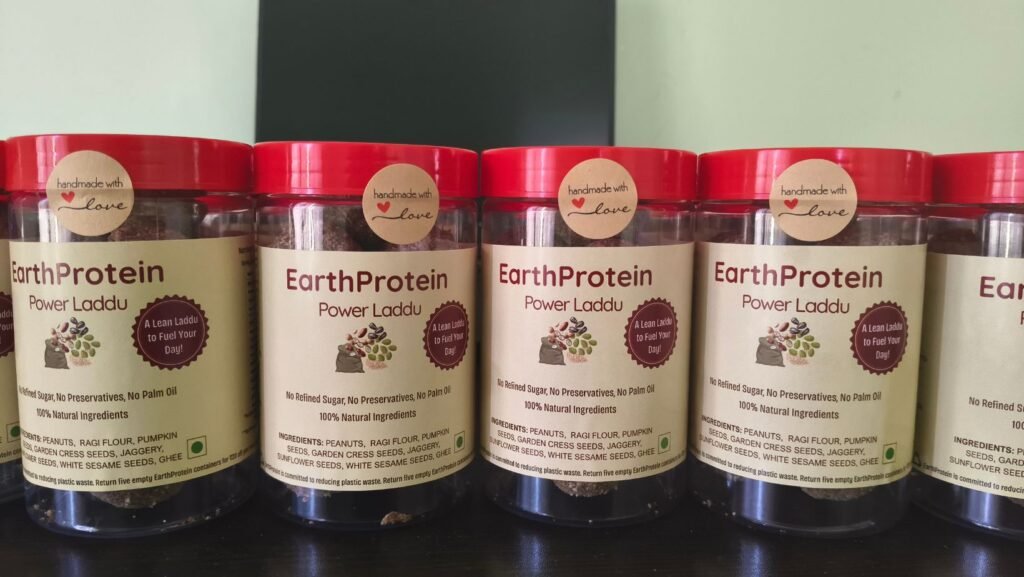
A protein laddu made from nuts, seeds, and natural sweeteners like jaggery or dates offers protein in a traditional, minimally processed format.
Unlike protein bars that rely on isolates and stabilizers, protein laddus deliver:
- Whole-food protein
- Healthy fats
- Fiber
- Balanced macros
They are portable, satisfying, and feel closer to real food rather than a formulated product. For many people, this makes them a cleaner, more natural gym snack option.
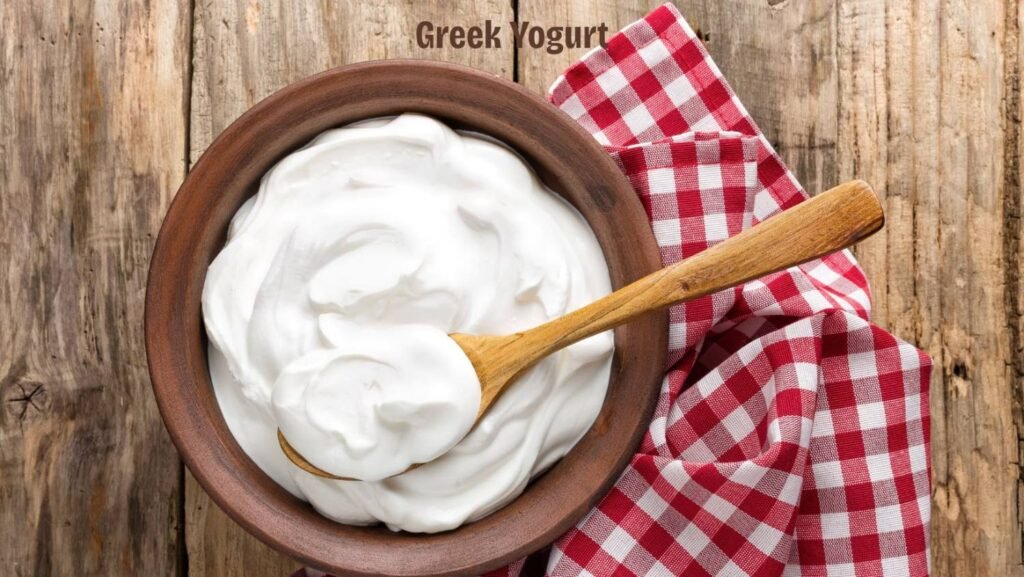
3. Greek Yogurt (Hung Curd)
Greek yogurt or thick hung curd is a high-quality protein source that contains complete protein. It supports muscle recovery and is easy to digest for most people.
You can enhance it by adding:
- Nuts
- Seeds
- A small amount of fruit
It’s especially good as a post-workout snack, though it does require refrigeration, making it slightly less portable than dry snacks.
4. Boiled Eggs
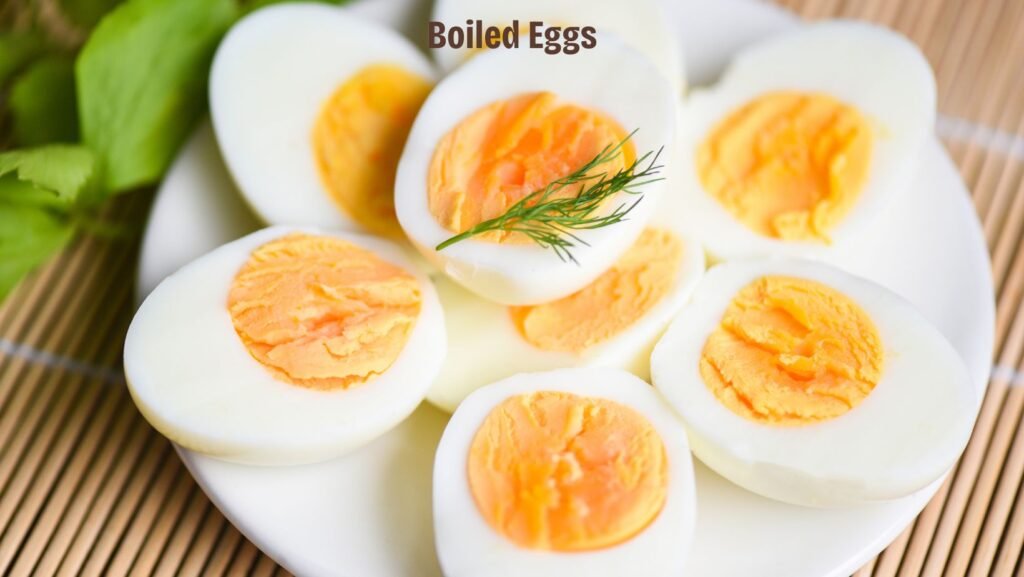
Boiled eggs are one of the most affordable and complete protein snacks available in India.
Benefits include:
- High-quality complete protein
- Naturally nutrient-dense
- Very filling
They’re easy to prepare in advance and carry in a small container. For gym-goers, eggs remain one of the most efficient protein sources per rupee.
5. Cheese Cubes
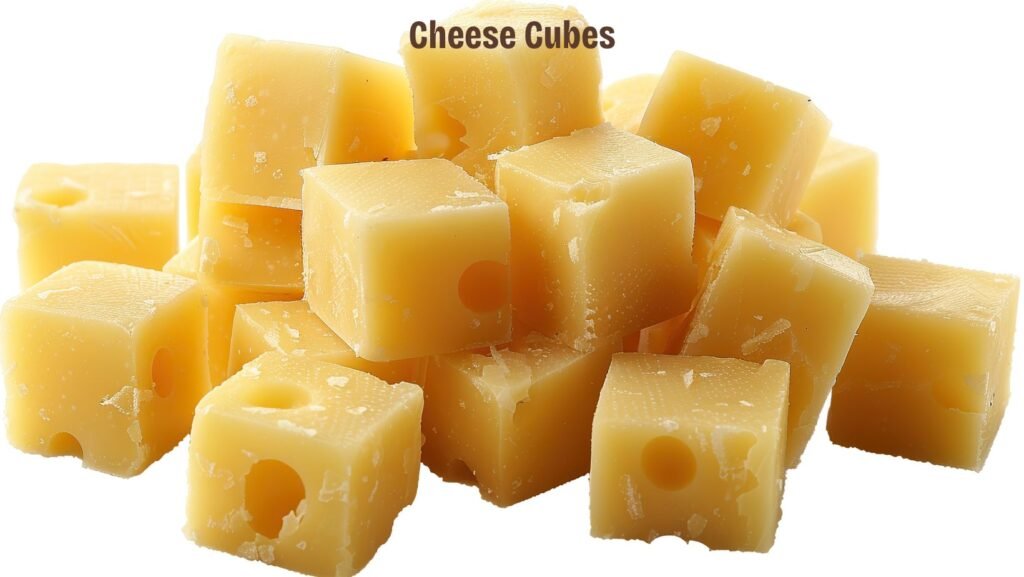
Cheese cubes are convenient, individually wrapped, and require no preparation. They provide complete protein along with fats, making them highly satiating.
While they contain fewer grams of protein per serving compared to a protein bar, they are:
- Minimally formulated
- Low in carbohydrates
- Easy to carry
They work particularly well for those following lower-carb diets or looking for a quick, savory snack.
How to Choose the Best Healthy Snack Alternatives to Protein Bars
If you’re moving away from protein bars, the goal isn’t just to replace them — it’s to upgrade your snack quality. Among options like trail mix, Greek yogurt, boiled eggs, cheese cubes, and protein laddus, here’s how to choose wisely.
1. Look for Real, Recognizable Ingredients
The first filter should be the ingredient list.
- Boiled eggs: single ingredient — excellent.
- Greek yogurt: usually milk + cultures — good choice.
- Trail mix: great if it’s just nuts and seeds (no added sugar).
- Protein laddus: typically made from nuts, seeds, and natural sweeteners like jaggery — simple and transparent.
Compared to many commercial protein bars with long ingredient lists, protein laddus offer whole-food nutrition in a convenient format.
2. Choose Balanced Macros, Not Just “High Protein”
A good snack isn’t just about protein grams — it’s about balance.
- Eggs and Greek yogurt give high-quality protein.
- Cheese cubes provide protein but are higher in fat.
- Trail mix offers healthy fats and fiber but moderate protein.
- Protein laddus combine protein + healthy fats + fiber in one bite-sized portion, creating steady energy instead of spikes.
That balance makes them suitable for gym-goers, office workers, and busy parents alike.
3. Consider Portability and Shelf Stability
This is where many “healthy” options fall short.
- Greek yogurt needs refrigeration.
- Eggs require preparation.
- Cheese may need cooling in hot climates.
Protein laddus and trail mix are naturally shelf-stable, making them ideal for travel, work bags, and gym kits — without artificial preservatives.
4. Think About Satiety
The best snack keeps you full for hours.
Thanks to their nuts, seeds, and natural fats, protein laddus digest slowly and help reduce cravings better than many low-fat, high-sugar alternatives.
5. Ask: Can I Eat This Daily?
The healthiest snack is one you can eat regularly without worrying about hidden sugars or additives.
Protein laddus stand out because they offer:
- Whole-food ingredients
- Natural sweetness
- Controlled portions
- Convenient format
If you want a snack that feels traditional yet fits modern fitness goals, protein laddus offer a balanced middle ground between homemade nutrition and on-the-go convenience.
Wrapping Up: Best Healthy Snack Alternatives to Protein Bars
Protein bars may be convenient, but convenience alone doesn’t define a healthy snack. As awareness grows in India around ingredient quality, hidden sugars, and ultra-processed foods, more people are choosing alternatives that feel both nourishing and trustworthy.
Options like trail mix, Greek yogurt, boiled eggs, and cheese cubes all offer genuine nutritional benefits when chosen carefully. They provide real protein, better satiety, and fewer unnecessary additives compared to many commercial bars.
But if you’re looking for something that combines whole-food ingredients, portability, balanced macros, and traditional familiarity, protein laddus stand out. Made with nuts, seeds, and natural sweeteners, they bridge the gap between modern fitness needs and clean, minimally processed nutrition.
At the end of the day, the best snack is one that supports your goals, fits your routine, and contains ingredients you feel confident eating regularly. When you shift from processed convenience to real-food nourishment, your daily snack becomes more than just fuel — it becomes a smarter lifestyle choice.